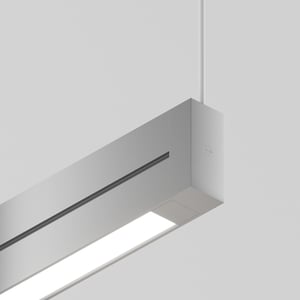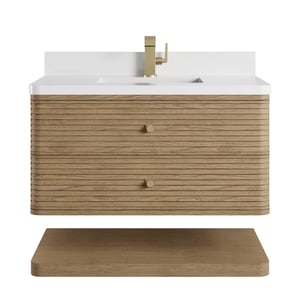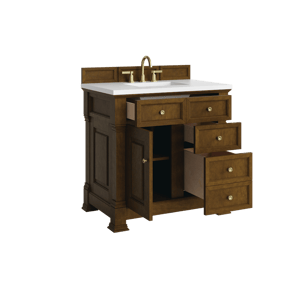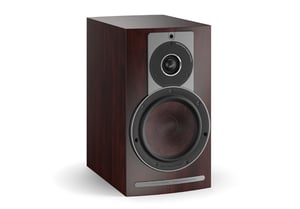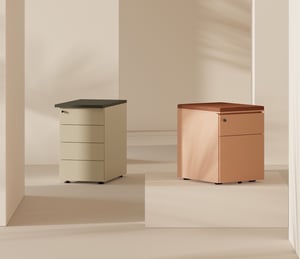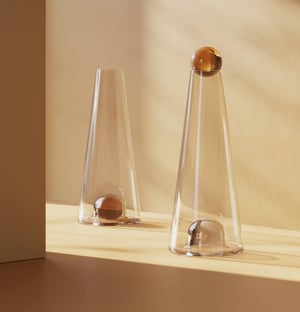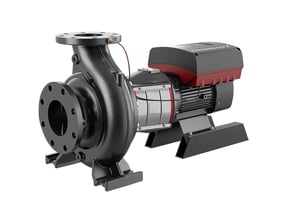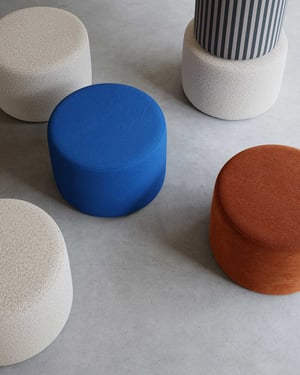

Photorealistic 3D product images
Product images that show every detail clearly
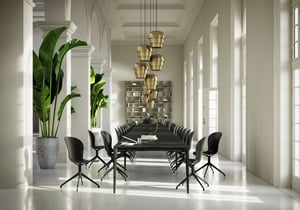
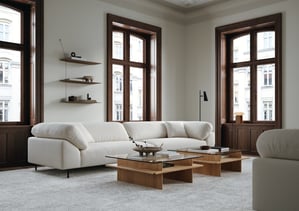
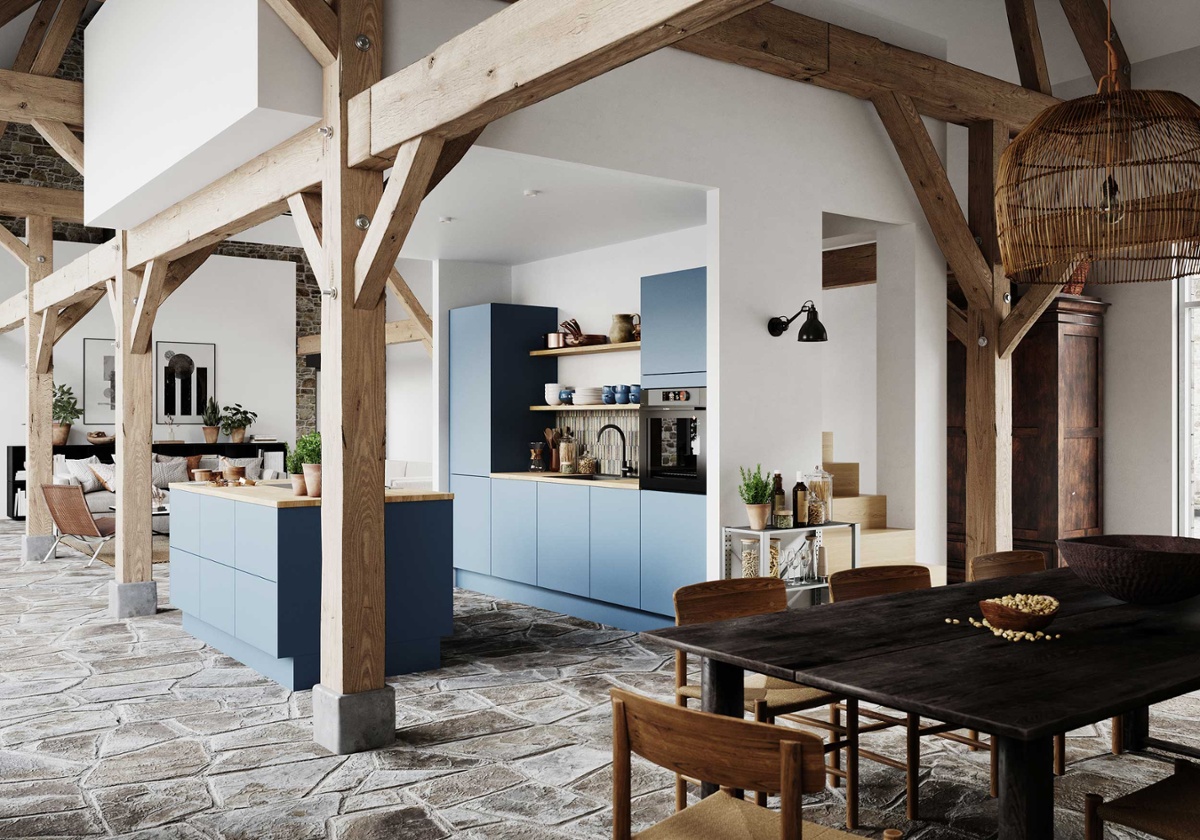
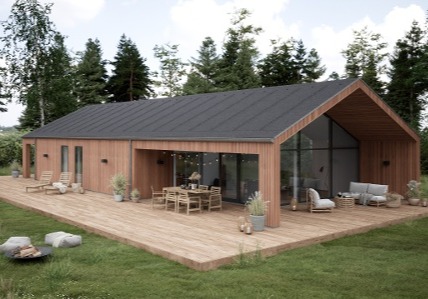
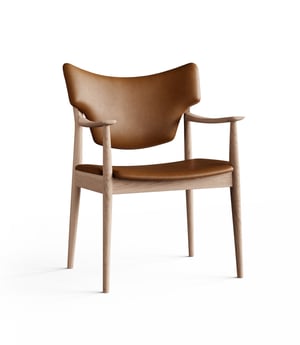
Your product image has a simple job: show the product exactly as it is, in the quality your customers expect. The shape, material, texture, color, reflections, construction, and small details all need to feel right. Because when customers can’t see the product in person, the image has to do a lot of the heavy lifting.
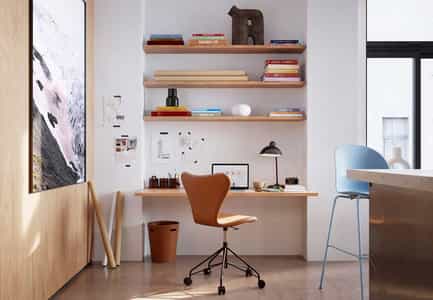
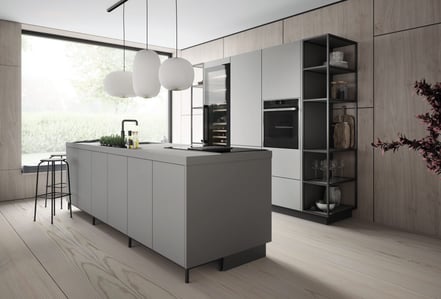
With 3D product images, we create photorealistic visuals from a high-end 3D model of your product. This gives you a flexible and consistent way to present everything from single packshots to large product ranges with many colors, materials, finishes, sizes, and variants.
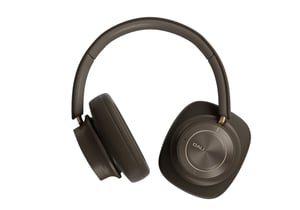
We pay close attention to the details that define your product. Fabric structure, wood grain, metal reflections, surface textures, proportions, and technical features are all handled with care, so the final image feels accurate and trustworthy.
Our team brings together 3D artists, construction specialists, stylists, art directors, and AI experts. We use proven CGI workflows to create precise product images, while AI can support selected parts of the process where it adds value, such as refining visual details, speeding up specific production steps, or exploring efficient ways to scale content.
The creative and technical control stays with us, so the final result looks accurate, on-brand, and ready for every channel.
Once your product is digitalized, the same 3D model can be reused across images, campaigns, configurators, films, and interactive tools. That means your product content becomes easier to update, expand, and adapt as your range develops.
The result is product imagery that looks sharp, stays consistent, and gives your customers the confidence to take the next step.
Product presentation perfection
Whether you sell products online in a webshop or not – online platforms are where your customers primarily go to browse products. Ask yourself, would you buy a product without seeing it first?
Precision down to the last pixel
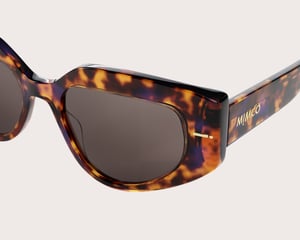


From product data to final product images
Your 3D model can keep working after the first delivery. Use it for new colors, product variants, lifestyle images, configurators, animations, or future campaigns.
A 3D model for every need
One of the qualities of 3D modeling is that your high-end 3D model can be used for a wide range of purposes. Find out more about the process of creating 3D models.
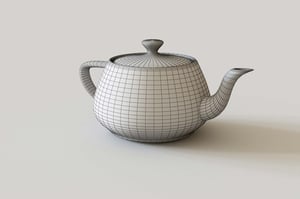
Elevate your 3D model with life-like texture
Texture creation is the process of digitally recreating a material so it looks and behaves like the real thing.
For products where texture affects perceived quality, every detail matters. Fabric structure, wood grain, stone surfaces, brushed metal, gloss, depth, and small imperfections all help customers understand how your product feels, even through a screen.
We combine scanning, CGI expertise, AI-supported refinement, and careful visual judgment to create high-quality digital textures. AI can help us add more depth and nuance to surfaces, making them appear even more photorealistic. The final result stays in experienced hands, so the texture matches your material, your product, and the level of realism your customers expect.
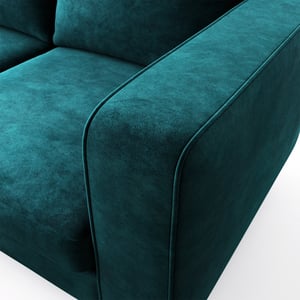
Enhance product understanding
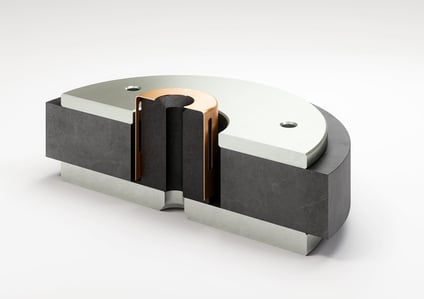
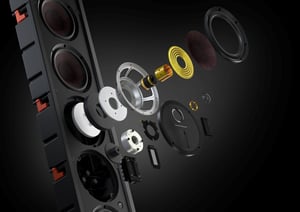
Do you have a product whose true benefits are hidden behind a beautiful (or functional) exterior? You can help accelerate your customer's decision-making process by presenting an exploded view or cut-through of your product, clearly demonstrating how it is constructed, piece by piece.
The ultimate product presentation
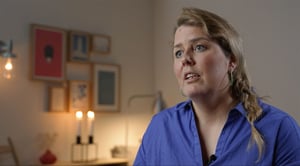
We have had a great collaboration with the Norwegian bath manufacturing company, VikingBad, over many years. It is essential for VikingBad to keep the product images as photorealistic as possible, which their marketing coordinator, Linda Sagplass, is expressing here:
”The quality and design of our products calls for the ultimate product presentation. That's why our product images show off every product detail with visual elements that help to present it in the best possible way"
Product variations in high volumes? Let us do the hard work!
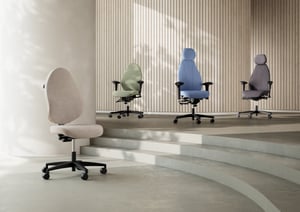
Would you like to know how you can present all your product variations in photorealistic quality at a fraction of the cost of traditional photography? With our ImageScripting technology, we can show your product in all different colors, materials, and textures, whether it's a couch, chair, table, or something completely different.
We handle all possible product variations and deliver them in a structured order. In other words, we deliver large, complex data in a tangible format, ready to use across your channels.
Want more?
Once you’ve started the digital journey, lots of possibilities are just around the corner. Or actually within the four walls of Cadesign form. As a full-service visual communication agency, we help our clients convert their product images into:
What do you want? We can make it. Don’t know exactly what you want? Even better. Because we do.
Take VikingBad, as mentioned above, and see how we transformed their product images into a 3D film.
Get the answers to all of your questions
The cost of 3D product images depends on the scope of your project. We don’t work with fixed price lists because every product range, workflow, and delivery need is different.
The price is typically influenced by:
- Product complexity: How detailed are the products, and how many products do you need visualized?
- 3D files: Do you already have usable 3D files, or should we create the 3D model for you?
- Materials and textures: Are the digital materials already created, or do we need to digitize new surfaces, colors, and finishes?
- Image types: Do you need packshots, main images, close-ups, variants, campaign images, or social media assets?
- Resolution and formats: Where will the images be used, and what file sizes do you need?
- Process setup: How many people are involved, and how many feedback rounds are needed?
Once we understand your products and your goals, we can recommend the right setup and provide a quotation.
Our standard resolution is A5 in 2500x2500 pixels, unless another resolution is specified in your quotation.
We can also deliver images in other sizes and formats depending on where you need to use them, for example on your website, in e-commerce, printed materials, campaign assets, or social media.
If you already have 3D files of your product, we can often use them as a starting point.
If you don’t have a 3D model, we can create one for you. In that case, we’ll need product references, such as photos, drawings, measurements, material samples, and any other details that help us accurately recreate the product.
We match colors, materials, and textures by digitizing physical samples with photo and scan technology. This helps us recreate surfaces such as fabric, wood, stone, metal, paint, gloss, and other finishes with a high level of realism.
This step is important for photorealistic product images because the small details often shape how customers perceive the quality of your product.
For a typical first production with a new client, we recommend allowing 1–2 months. Once the 3D model and materials are created, updates, variants, or small changes to existing projects can often be completed in one or a few days.
However, delivery time depends on the project scope, production capacity, number of products, proofing rounds, and whether we need to create new 3D models or materials.
Once the invoice has been paid, the final images and copyright belong to you. The exact terms will also be defined in our standard conditions as part of your quotation.
The project manager of your project will send a time schedule of the different steps in the process. Here you will find when and what to comment on.
Traditional product photography depends on physical products, locations, lighting, photographers, transport, and a full setup around each shoot.
With 3D product images, we create your product digitally and render it in photorealistic quality. That gives you more control over angles, lighting, materials, colors, and variants. It also makes it easier to update or reuse your product visuals later without having to start from scratch.
Yes. If we have the right product data, we can create 3D product images before the physical product is ready.
We can work from technical files, drawings, photos, measurements, material samples, or a combination of these. This is especially useful when you need marketing visuals ready for a product launch, even while the final product is still in development.
Yes. Once your product has been created as a high-quality 3D model, we can use it to show different colors, materials, finishes, sizes, and configurations.
This is one of the big advantages of CGI product images. Instead of photographing every variant individually, we can create a more scalable image setup that keeps your product range consistent across your website, catalog, campaigns, and sales material.
Accuracy starts with good product information. We use your technical files, measurements, photos, drawings, and material samples to understand the product properly before creating the final images.
Our team then digitally recreates the shape, proportions, colors, textures, reflections, and small details. Product and material approvals are built into the process, so you can review the important details along the way. AI can support selected parts of the workflow, but the final quality control stays with our specialists.
Yes. Once your product exists as a 3D model, it becomes much easier to update the visuals later.
We can adjust colors, materials, angles, lighting, backgrounds, labels, finishes, or product details without planning a new photoshoot. This is useful when your product range changes, when you need seasonal updates, or when your marketing team needs fresh content for new channels.
Yes. A high-quality 3D model can be used to create main product images, packshots, close-ups, detail shots, and variant images.
Close-ups are especially useful for highlighting texture, materials, construction, functionality, and premium details that help customers understand your product's quality.
Yes. A 3D model can often serve as the foundation for much more than just product images.
Once your product is digitalized, it can support lifestyle images, product configurators, animations, 360° views, augmented reality, and other interactive tools. That means your first 3D production can become part of a larger visual content setup, where you create once and keep building from there.